Food, flowers, and a lot left wild… What does it mean?
While the ‘left wild’ areas of the farm don’t necessarily require much attention or manual labor, they’re a subject of great interest for me. I love seeing what comes up on its own in the fields, and who enjoys stopping by for a bite to eat or a place to stay the night.

A few acres of the farm are now in ‘conservation’ with the National Resource Conservation Service of the USDA, who provided a list of approved trees and shrubs for a more intentionally managed reforestation project.
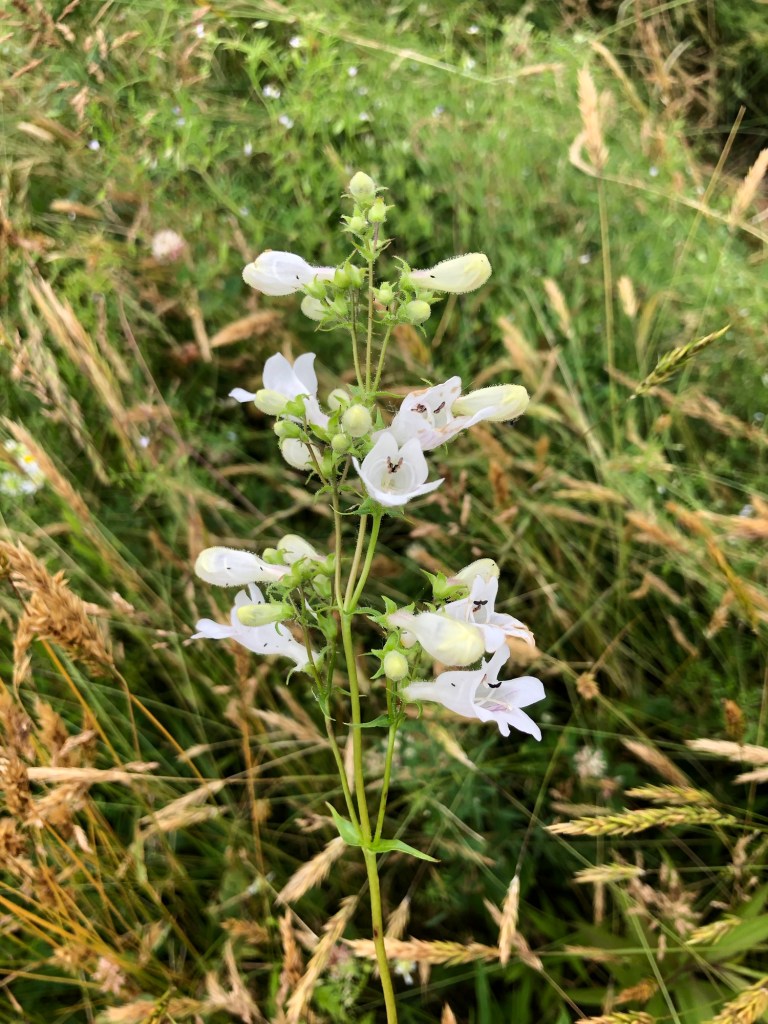
Naturally, my curiosity had me clicking around to see which creatures use each one for food or cover, essentially who I was inviting over with my choices. Are there any trees I want to plant to lure in certain cutie pies with a wild side? I’ve found that bears and moose are often listed. I think it’s quite possible that I’m going to look out and see a bear family browsing on shrubby berries in the field one day.
So, while I started this habitat research to create a resource for myself, I’m happy to be sharing the findings here. Searching around, I found out about more efforts and organizations dedicated to conservation, like the Cavity Conservation Initiative you can read about under the Eastern White Pine.
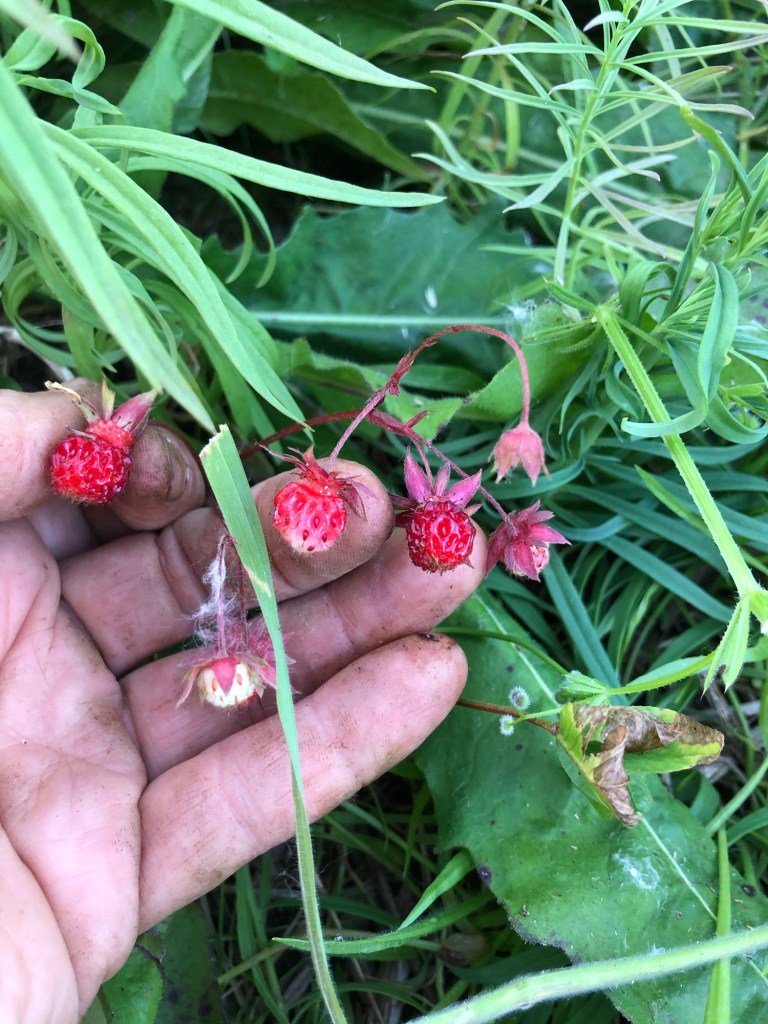
“Left Wild” areas – I’ve left a lot of the farm alone, uncultivated, and these wild areas have become such beautiful landscapes of asters, boneset, goldenrods, milkweed, wild grasses, and more. From The Xerces Society – an invertebrate-supporting organization of which I’m a bit of a fangirl – I’ve learned some things about our local native bees. Turns out a lot of them are the lone ranger, rugged individualist type, and they love to burrow in the ground. Therefore, undisturbed areas of soil are primo real estate for lots of bee species. Come on over, come on over bee, bee.
As a note, suburban lawn does not appear to be a common habitat for any declining species. Something to consider.
This is a living document – I’ll continue to add to it as I find out more; I just couldn’t wait any longer to share the nerdiness!
If this work sings to you, consider supporting the ongoing effort with a donation. You can read more of our ecological story here.
Make a one-time donation
Make a monthly donation
Make a yearly donation
Choose an amount
Or enter a custom amount
Your contribution is appreciated.
Your contribution is appreciated.
Your contribution is appreciated.
DonateDonate monthlyDonate yearlyAnd now… into my nerdy plant notes!
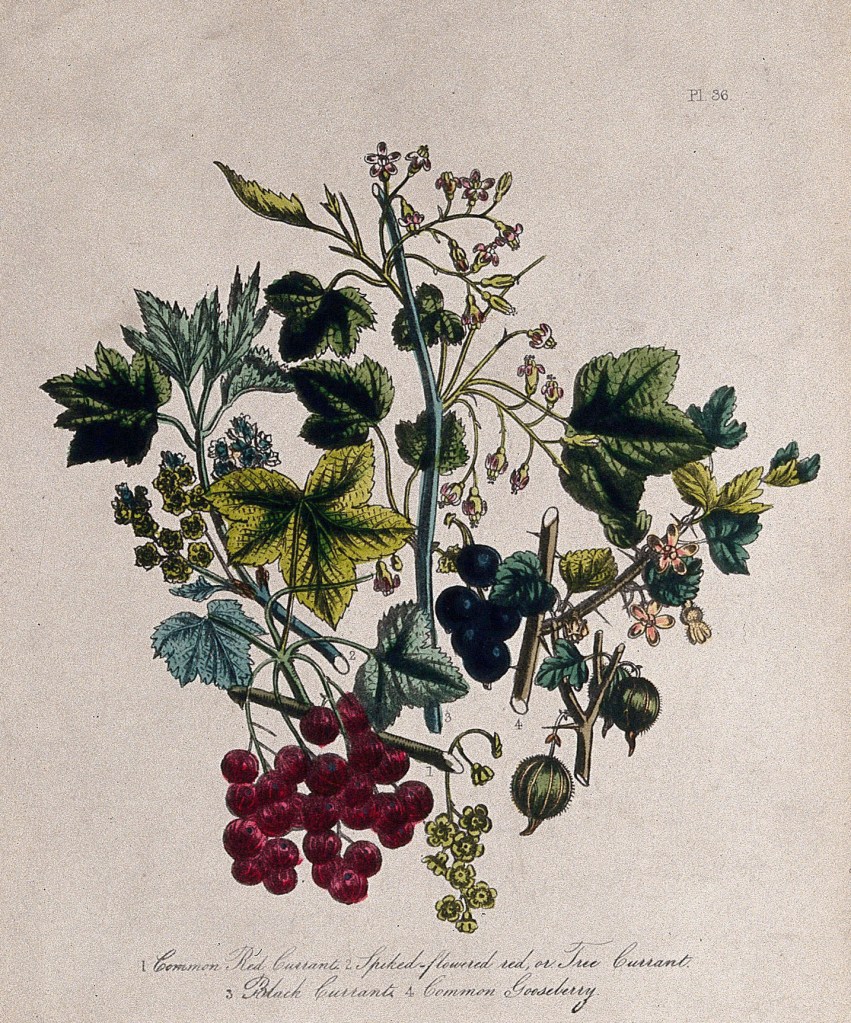
Black currant flowers early in spring – their blossoms are a great early spring food source for several bee species, and moths (including the gorgeous gigantic hummingbird moth). Flies, too. How often do you think about flies? Should we think about flies more?! Then, in summer, berries ripen up and the birds swoop in for a snack. My research says that cedar waxwings love black currant berries – and a lot of these other berries, too. I hope the news about our berries gets out to the waxwing community. These birds are so pretty – if you know a cedar waxwing, tell them they’re welcome to drop in any time for a berry bite.
Chinkapin oak – squirrels, deer, wild turkeys, grouse and black bear eat the acorns. I’m honestly not trying to lure in a black bear and the deer don’t appear to be starving around here, but it sure would be cool if word got out the grouse community – I’ve never seen them in these parts!
Eastern White Pine – Here’s what I learned: The tree provides shelter to everyone including, once again, my bear friends. Birds love the seeds. Small mammals are going to gnaw on the bark. The young roots are apparently delicious. If our saplings survive all that, we might someday be blessed with a bald eagle nesting up in the crown of the tree. Additionally, according to the US Forest service, the eastern white pine also provides shelter to ‘cavity nesting wildlife*‘. So now I have to know what constitutes cavity nesting wildlife and a simple search returns The Cavity Conservation Initiative as the top result which tells me about the need for dead and dying trees for owls, falcons, songbirds, and woodpeckers. I hope the living pines are good for those too because while I’d like more owls around, I’m not ready for these trees to die just to get an owl roosting up over here.
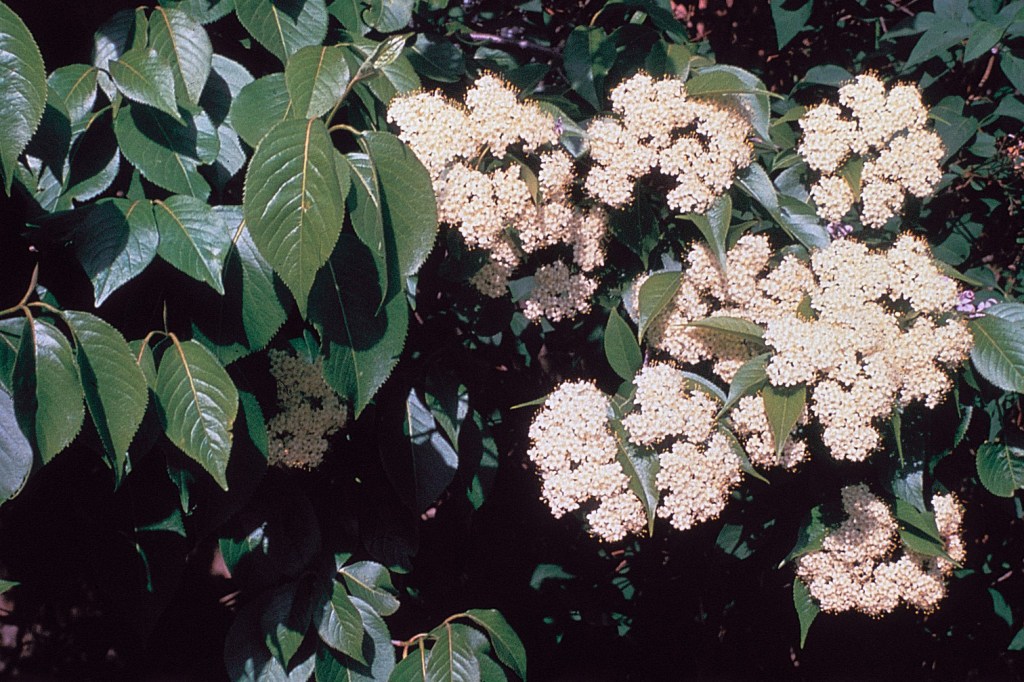
Nannyberry (viburnum lentago) – The nannyberry has these gorgeously iridescent red and green leaves in spring. I haven’t seen them berry out yet but they say nannyberry’s blue berry clumps stay on the shrub throughout winter, feeding our overwintering birds. Overwintering people can eat the berries, too. I’d wager they’re better in fall – will update when sufficient data become available.
Elderberry – Of course elderberries are well known for their health benefits to hoomans, but I’m excited to learn that these woody shrubs are a fantastic host plant for the Hyalophora cecropia, North America’s largest native moth, that can grow to a wingspan of up to 7 inches. I can’t wait to see these gigantico moths around here!
Blackhaw (viburnum prunifolium) – provides habitat for spring and summer azure butterflies; songbirds, squirrels, and chipmunks enjoy the berries. This is another one I haven’t had the delight to taste quite yet. Berries of the future!
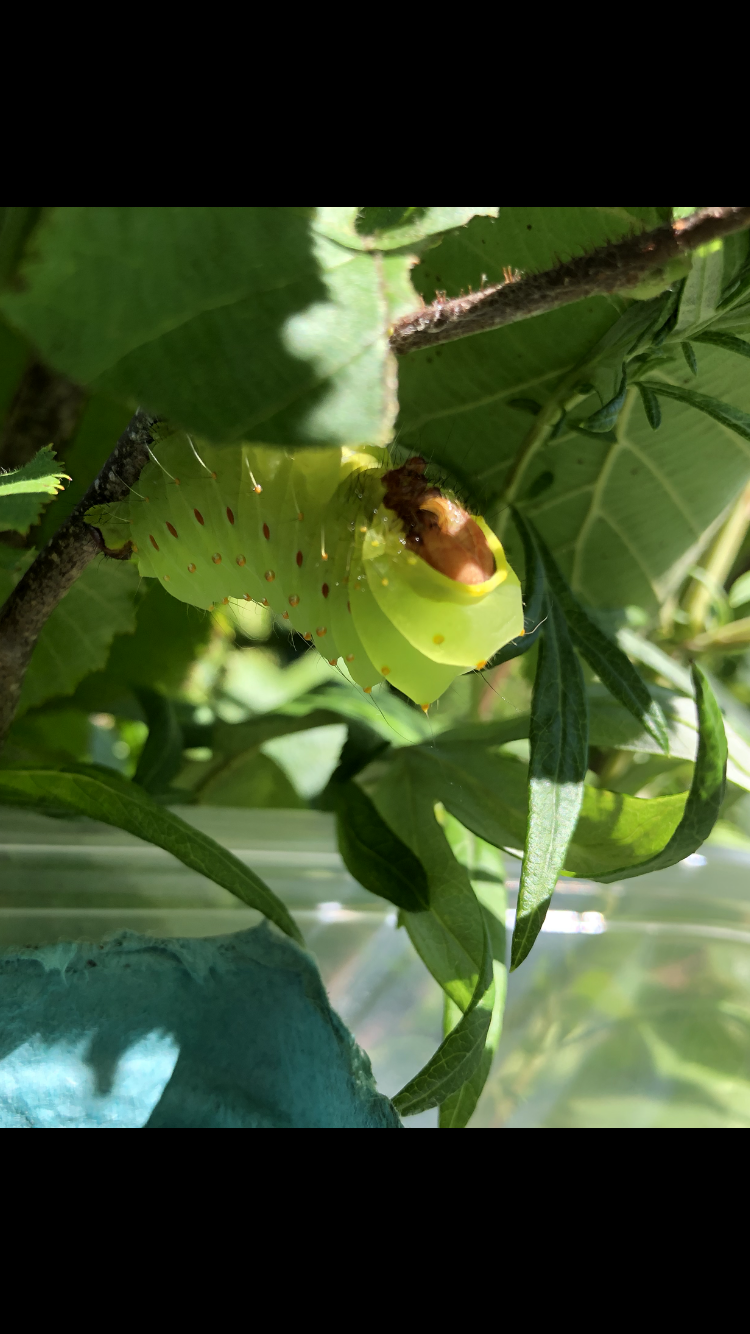
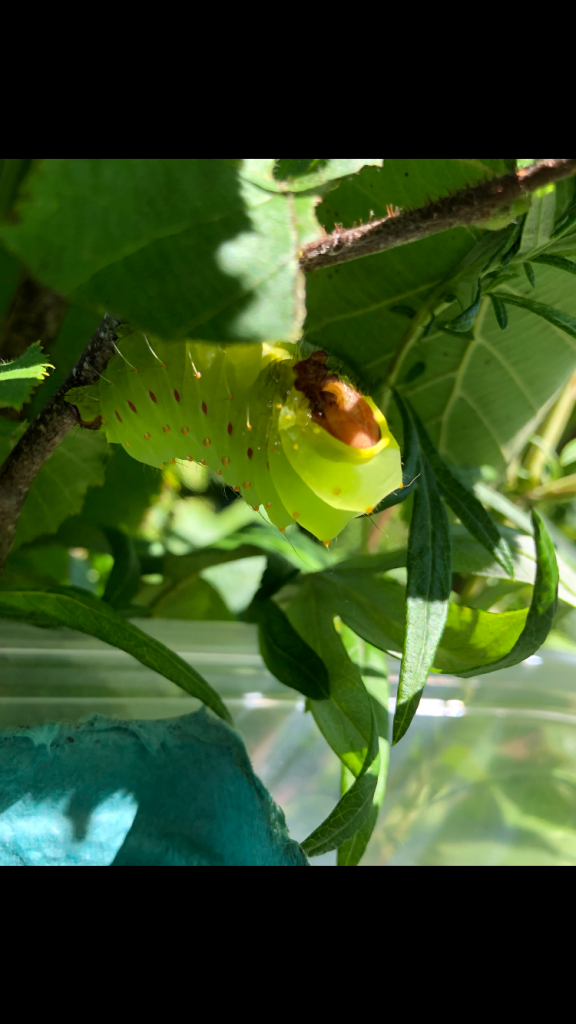
Hazelnut shrubs – I’ve come across several nests in the hazelnut patches over the years. This past year it was the redwing blackbirds trying to keep their home a secret from me – it took a lot of spying on my part to finally figure it out. I also found this giant caterpillar, which I believe (though I’m open to being corrected!) turned into a luna moth.
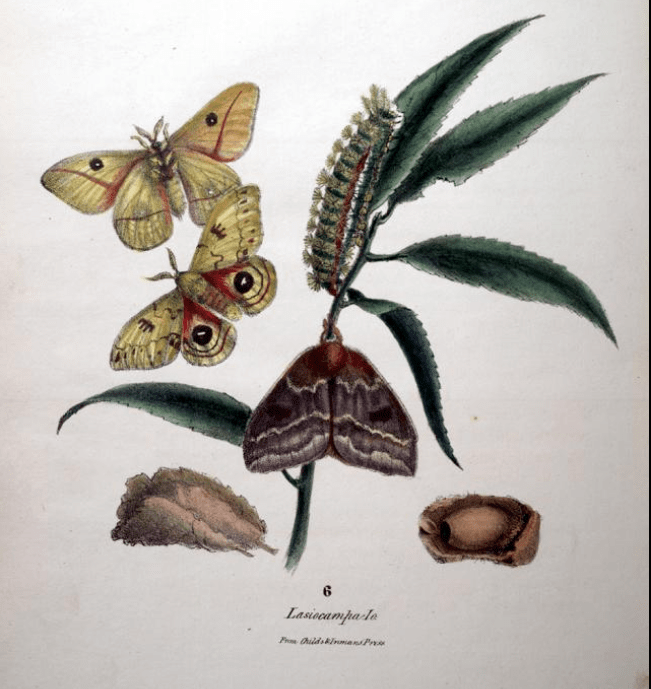
Pussywillow – I planted about 50 pussywillow shrubs around initially for the purpose of creating windbreaks with an early harvest crop – the catkins fluff out in early April and store quite well for dried arrangements. They are also wildly beneficial to insects. The soft fuzzy catkins give way to green and yellow flowers in late April, drawing in loads of tiny flies and bee species, which in turn draw in the songbirds, who eat the flies. Beautiful bee-murdering songbirds.
The pussywillow is also host to many butterflies, including the Viceroy (that monarch lookalike), and the Mourning Cloak, a unique badass butterfly that stays put in the winter instead of migrating south to warmer climes.
Serviceberry, juneberry - I’ve read that the serviceberry has been clocked as a host for over 100 lepidoptera (moth and butterfly) species. Our plants are still small and battling the browsing habits of the local deer, but once these shrubs are big and strong, they can stand up to 15 feet tall, and fill out to a big fluffy flowery bush. I imagine if I were a little butterfly, it would look like a lovely safe place to pass the time. The cedar waxwings like these berries, too, as do catbirds, robins, and eastern bluebirds.
Cedar Waxwing Overview, All About Birds, Cornell Lab of Ornithology
Serviceberry, Alleghany, Amelanchier laevis | Leaves for Wildlife
Beach Plum I planted a few of these in a soggy, very un-beach-like area, before I knew that the name referenced their ideal habitat. They’re often found in coastal, sandy areas. In fact, I first searched for “beech plum.” We’ll see what we get. They are an early season bloomer, providing one of those rare spring pollinator food sources. The USDA plant guide describes their growth type as creating a “dense thicket,” nature’s design for a safe habitat for birds and small mammals.
Aronia / black chokeberry Highly astringent berries grow in easy-to-pick clumps that ripen in August. The 5′-6′ shrub flowers in late spring; the flowers provide food for coral hairstreak butterflies, flower flies (hover flies), mason bees, and other insects. Birds, bears, and many small mammals enjoy the berries which, if left unpicked, can remain on the plant into winter. The shrub also provides protected nesting habitat for small birds. People can eat the berries, too – they’re loaded with antioxidants!
Stay tuned for more chapters of nerdy delight including:
Sugar Maple
Witch hazel
Hobblebush
American Cranberry
Haskap
Blue Vervain
 Enka:ri Farm